
Featured Articles
In a world increasingly defined by superpower rivalry, Latin America is no longer content playing the supporting role. Drawing on the drama and self-discovery of the classic telenovela, this piece reframes the evolution from the Non-Aligned Movement to today’s doctrine of active non-alignment as a story of autonomy, identity, and strategic reinvention. As global power shifts toward blocs like BRICS and leaders such as Luiz Inácio Lula da Silva pursue diplomatic flexibility amid rising tensions, Latin America is redefining its place in the international order, and this time, it is not as a pawn in great-power competition, but an author of its own script.
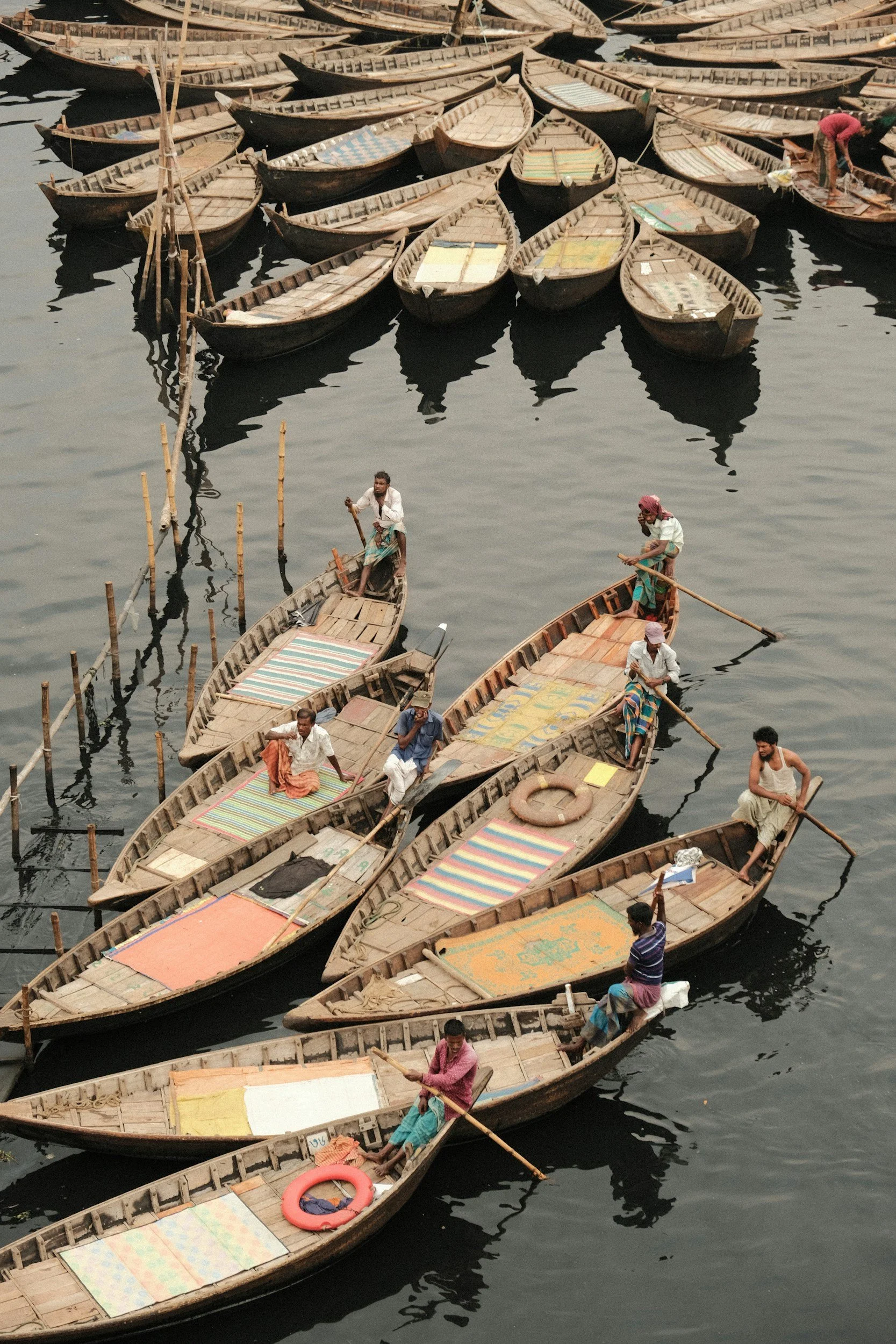
What if national success were measured not in dollars or military strength, but in the well-being of ordinary people? High in the Himalayas, Bhutan has built its governance model around Gross National Happiness, embedding psychological health, cultural preservation, and environmental stewardship into public policy. In doing so, the small kingdom has transformed happiness from a philosophical ideal into a measurable political framework—quietly challenging the global dominance of GDP and redefining what power can look like in the modern world.
As the Russia-Ukraine conflict continues into its fourth year, high casualty rates and low enlistment numbers have forced the Kremlin to turn to alternate methods of recruitment– namely, the conscription of foreigners. Kenya in particular has taken issue with the enlistment of its nationals into the Russian military, accusing Russian recruiters of employing illegal recruitment tactics that constitute human trafficking. Whether or not such allegations are entirely accurate remains uncertain, although emerging intelligence reports suggest that many Kenyans were enlisted into the Russian war effort under questionable circumstances.
The increasing influence of the Unification Church became highly visible following intense criticism and allegations of corruption from the South Korean and Japanese governments. As more is discovered in the investigations, the broad reach the church holds across the world grows clearer.
As Iran faces its largest wave of protests in years, the government has responded with deadly repression and a sweeping internet blackout. Beyond domestic control, these actions reflect a deeper status anxiety: an effort to project strength and legitimacy at home and abroad, even at significant economic and political cost.
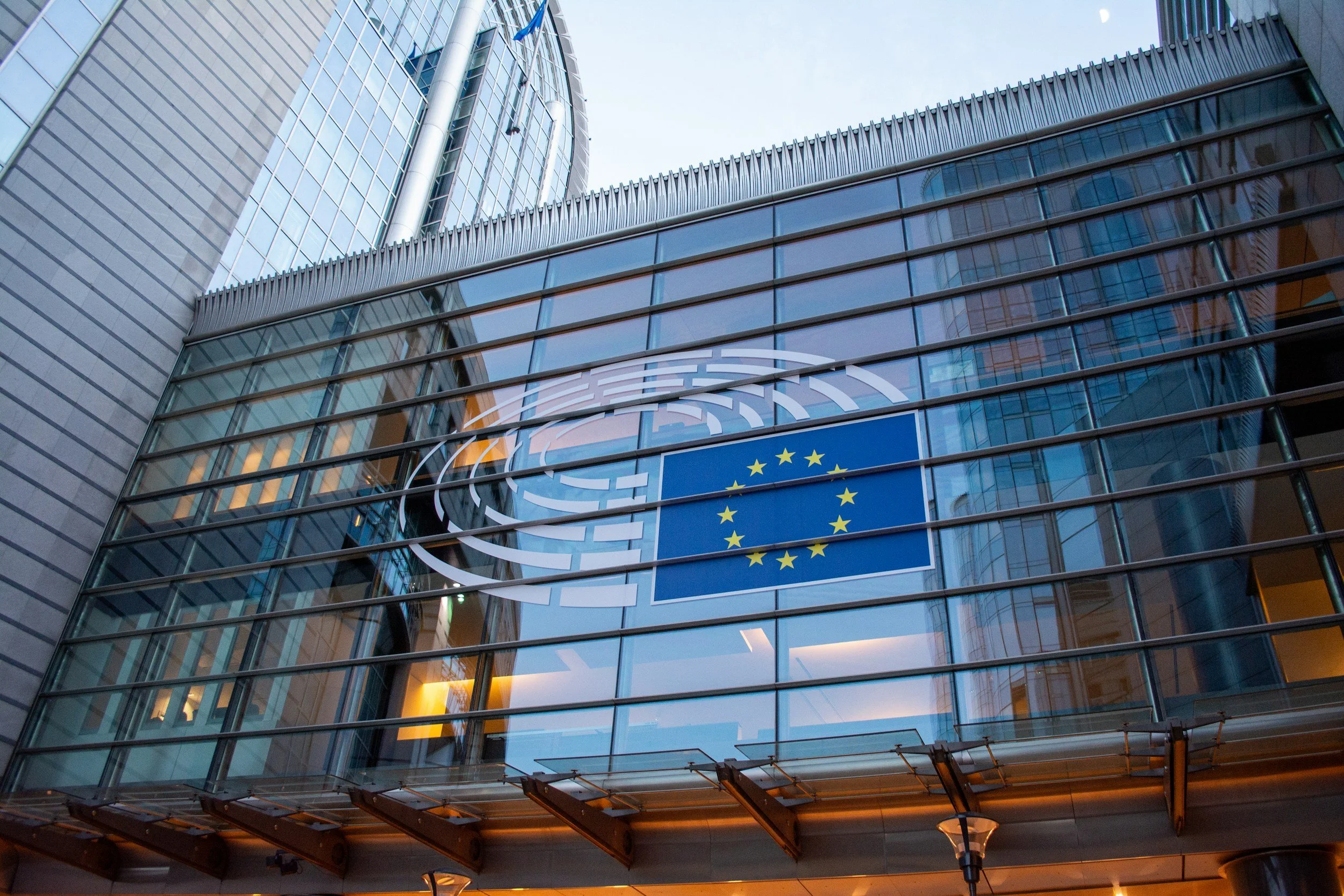
Why has Europe demonstrated a splintered foreign policy response to the Greenland crisis despite its supposed cohesion as the European Union? This article examines how Trump exploits structural EU weaknesses and argues that Europe must federalize to contend with contemporary threats from superpowers like the United States.
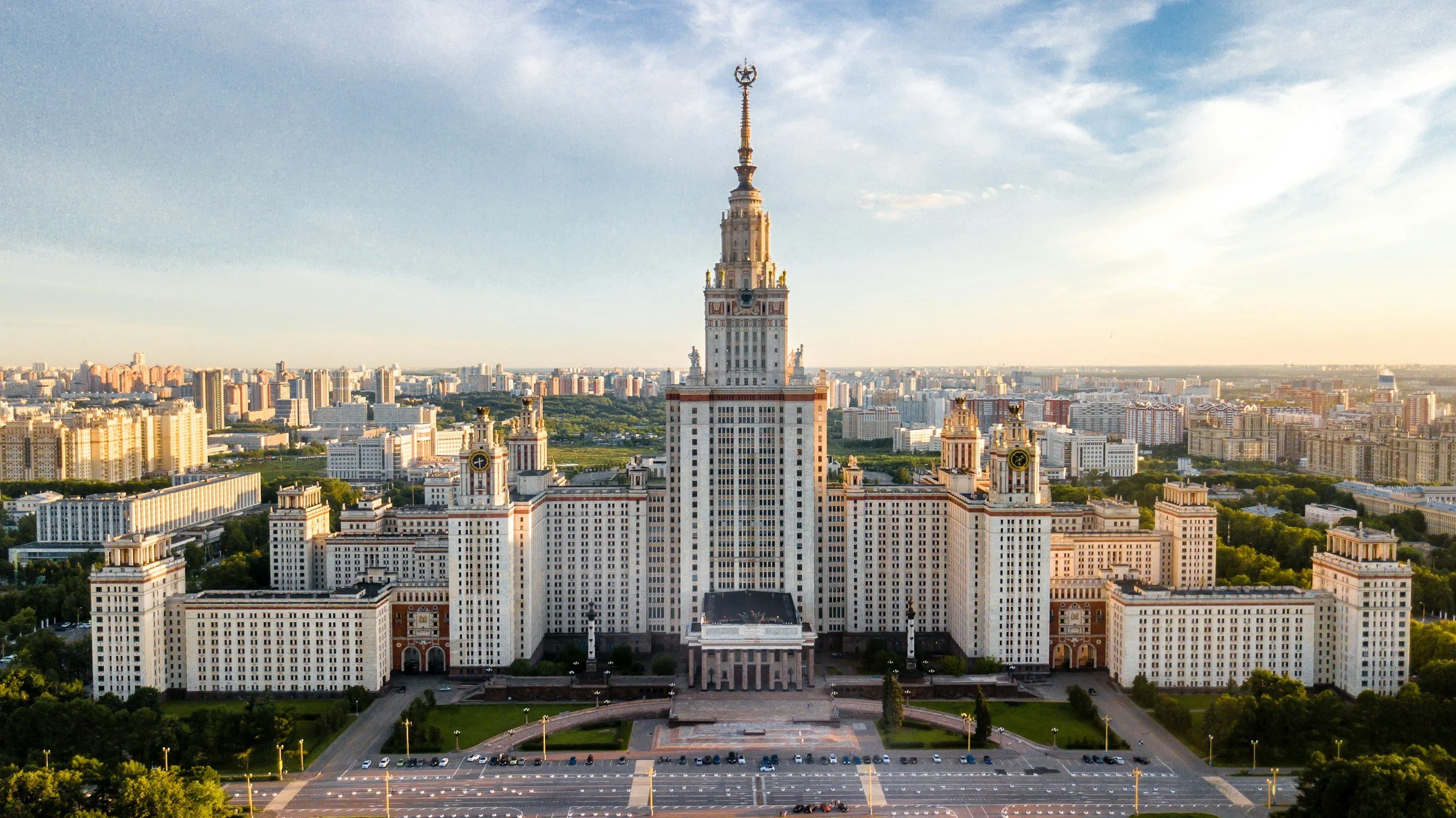
Although Japan’s imperial expansion concluded at the end of World War II, its colonial legacy continues to fuel regional instability. Critically, unresolved disputes between Japan, Korea, China, and Taiwan over the Takeshima and Senkaku islands remain at a stalemate. Rooted in Japan’s annexation of the islands in the late 1890s to 1910s, the legal conflict over rightful ownership has evolved from territorial disagreements into significant threats to regional security.
From Germany to Italy to Poland, anti-immigration rhetoric has reshaped Europe’s political mainstream. As far-right parties capitalize on institutional weaknesses in the EU’s asylum system, migration has become both a policy failure and a political weapon. The question now is not whether Europe will reform its migration framework, but whether it will do so without abandoning its humanitarian foundations.
Opinions
In a world increasingly defined by superpower rivalry, Latin America is no longer content playing the supporting role. Drawing on the drama and self-discovery of the classic telenovela, this piece reframes the evolution from the Non-Aligned Movement to today’s doctrine of active non-alignment as a story of autonomy, identity, and strategic reinvention. As global power shifts toward blocs like BRICS and leaders such as Luiz Inácio Lula da Silva pursue diplomatic flexibility amid rising tensions, Latin America is redefining its place in the international order, and this time, it is not as a pawn in great-power competition, but an author of its own script.
What if national success were measured not in dollars or military strength, but in the well-being of ordinary people? High in the Himalayas, Bhutan has built its governance model around Gross National Happiness, embedding psychological health, cultural preservation, and environmental stewardship into public policy. In doing so, the small kingdom has transformed happiness from a philosophical ideal into a measurable political framework—quietly challenging the global dominance of GDP and redefining what power can look like in the modern world.
As the Russia-Ukraine conflict continues into its fourth year, high casualty rates and low enlistment numbers have forced the Kremlin to turn to alternate methods of recruitment– namely, the conscription of foreigners. Kenya in particular has taken issue with the enlistment of its nationals into the Russian military, accusing Russian recruiters of employing illegal recruitment tactics that constitute human trafficking. Whether or not such allegations are entirely accurate remains uncertain, although emerging intelligence reports suggest that many Kenyans were enlisted into the Russian war effort under questionable circumstances.
The increasing influence of the Unification Church became highly visible following intense criticism and allegations of corruption from the South Korean and Japanese governments. As more is discovered in the investigations, the broad reach the church holds across the world grows clearer.
As Iran faces its largest wave of protests in years, the government has responded with deadly repression and a sweeping internet blackout. Beyond domestic control, these actions reflect a deeper status anxiety: an effort to project strength and legitimacy at home and abroad, even at significant economic and political cost.
Why has Europe demonstrated a splintered foreign policy response to the Greenland crisis despite its supposed cohesion as the European Union? This article examines how Trump exploits structural EU weaknesses and argues that Europe must federalize to contend with contemporary threats from superpowers like the United States.
Although Japan’s imperial expansion concluded at the end of World War II, its colonial legacy continues to fuel regional instability. Critically, unresolved disputes between Japan, Korea, China, and Taiwan over the Takeshima and Senkaku islands remain at a stalemate. Rooted in Japan’s annexation of the islands in the late 1890s to 1910s, the legal conflict over rightful ownership has evolved from territorial disagreements into significant threats to regional security.
From Germany to Italy to Poland, anti-immigration rhetoric has reshaped Europe’s political mainstream. As far-right parties capitalize on institutional weaknesses in the EU’s asylum system, migration has become both a policy failure and a political weapon. The question now is not whether Europe will reform its migration framework, but whether it will do so without abandoning its humanitarian foundations.
THE JOURNAL
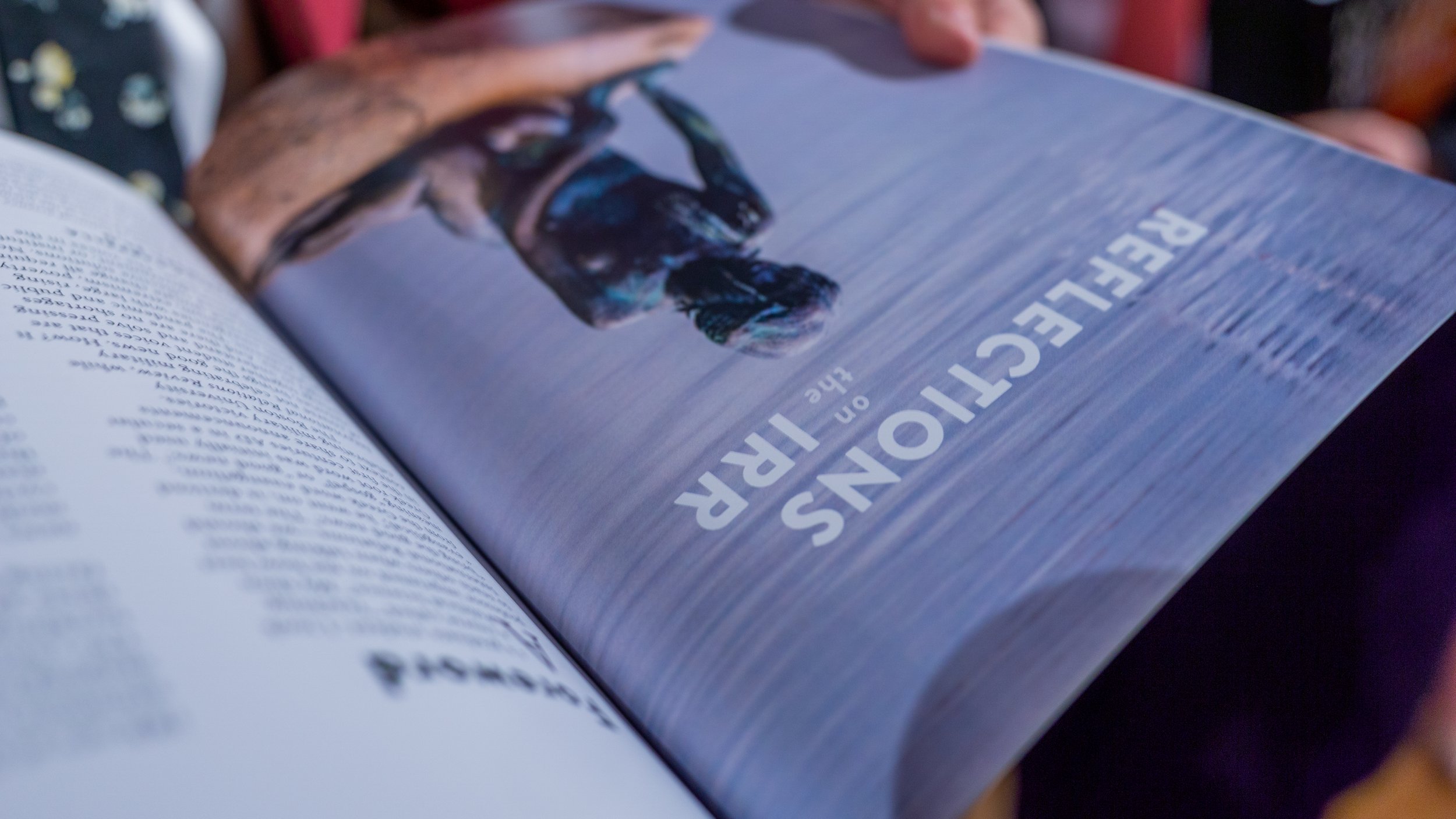
As Boston University’s foremost academic journal, the International Relations Review continues to publish a bi-annual print issue with 120+ pages of analysis and commentary from a diverse group of staff writers and contributors.
Listen to the latest
IN RELATION TO
Our new medium of discourse!
With the vast opportunities available in the field of international relations, our latest podcast project, In Relation To, seeks to promote the diversity and richness of IR as a professional field, academic discipline, and arena for activism and global citizenship.
WE WANT TO HEAR FROM YOU!
Interested in sharing your analysis of current world issues? Have an amazing portfolio of photos? Want to display your work and have it archived at the Library of Congress?
We are looking for writers, photographers, and contributors to add their unique repertoire to our publication!